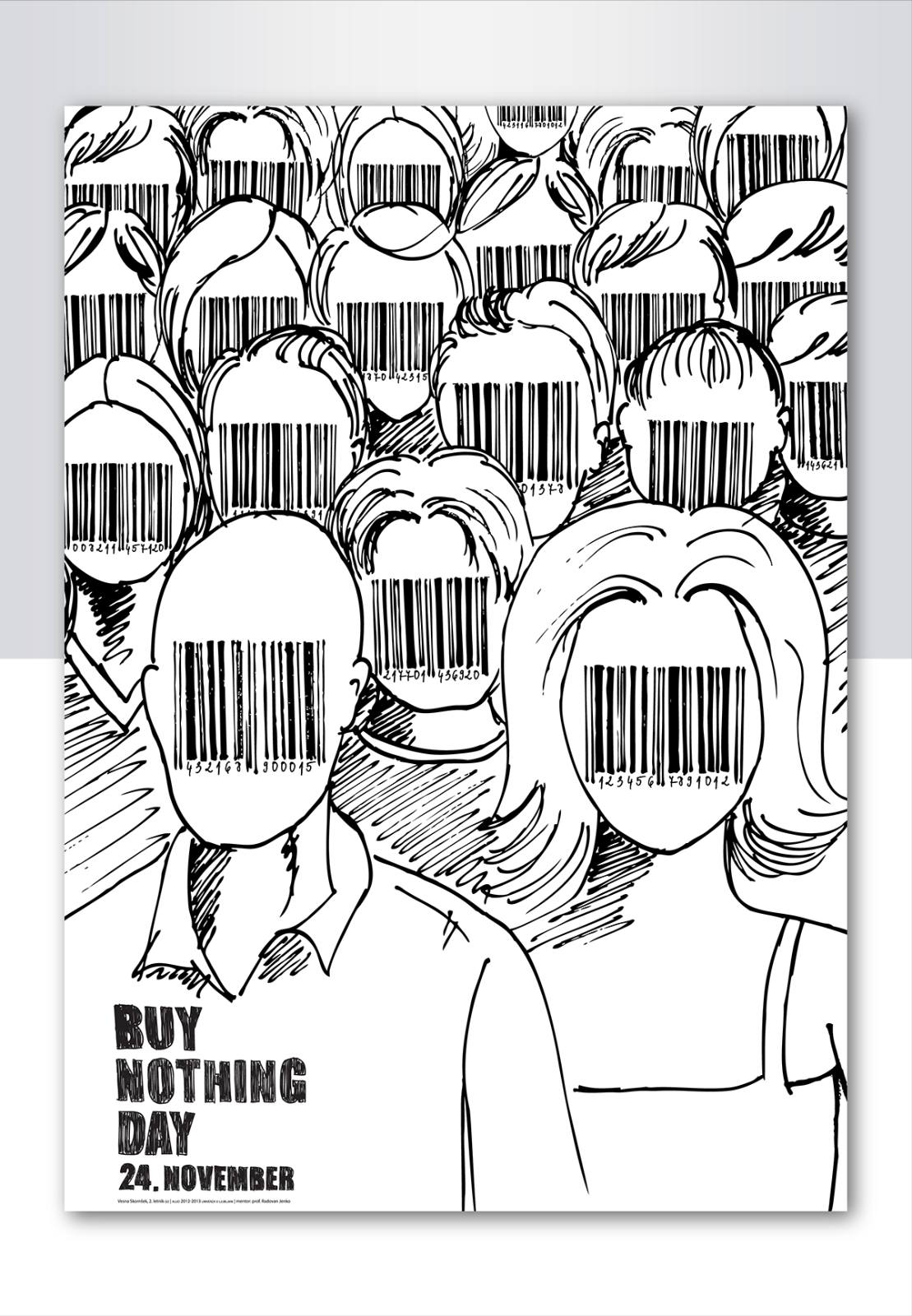
On the last Friday of November – the very day the world is gripped by the Black Friday frenzy – millions of people choose Buy Nothing Day as a symbolic gesture against overconsumption and the needless generation of waste.
The middle of the 20th century, and especially 1950–1980, was a time of rapid industrialisation, mass production and new consumer habits, which created the need for environmental legislation. In this context Buy Nothing Day is not just a campaign. It is a reaction – a call to take a critical look at the “buy – use – throw away” model that has dominated for decades.
The idea was conceived in 1992 by the Canadian artist and activist Ted Dave as a reaction against the “culture of never-ending sales”. His first poster carried the simple phrase “Enough is Enough”. He framed the movement as a “pause” from the pressure to keep buying.

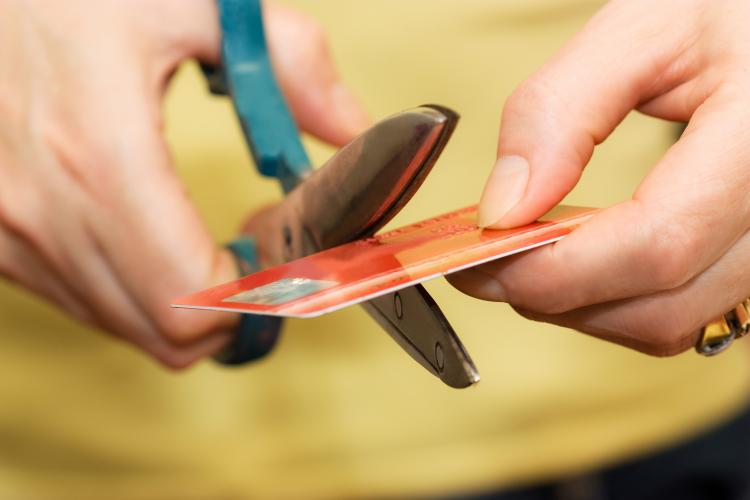
The movement gained global popularity after it was backed by the Canadian anti-advertising magazine Adbusters, which turned it into an international symbol of resistance to overconsumption. Through creative actions such as “Zombie Shopping”, where people wander around shopping centres as “consumer zombies”, street performances, talks on sustainable consumption and “Credit card cut-up” – the symbolic cutting up of credit cards – the movement attracted international attention. In some places “Free Stores” are set up too – places where you can leave something and take something for free. Old-fashioned, but it works.
Some economists argue that the initiative hurts small retailers and that giving up shopping for a single day has no real environmental effect. The biggest environmental focus is on reducing the “carbon footprint of purchases”. Between 60 and 90% of a household’s total carbon footprint comes from the things we buy, rather than from transport or heating.
Buy Nothing Day is a way to become aware of the “hidden price” behind every item – where was it made? how did it reach us? how many resources were used up? what does it give us? and what has it taken from us???
Over time we naturally expanded our activities. We began importing carefully selected products of proven quality and high standards. For almost ten years we have represented one of the best Italian manufacturers of bodies for municipal vehicles. The Bulgarian market is a difficult one, but over time and through the way we work we have proven ourselves a fair and reliable partner. Later we started our own production of underground containers based on a Western model. We keep growing – we recently acquired a new patent, and this year we will be presenting our new models.
In Bulgaria Black Friday has become hugely popular. The catch is that it is not held on the last Friday of November but throughout the whole month. The data shows that 85% of goods bought on Black Friday are unplanned purchases, and the average household item is now used for less than 6 months.
The EU statistics are shocking too:
- The total amount of waste (all economic activities + households) generated in 2022 was close to 2,233 million tonnes, which works out at an average of around 4,991 kg of waste per person per year.
- In 2023 the EU generated 79.7 million tonnes of packaging waste (from industry and consumption) – an average of 177.8 kg per person. Of this, plastic packaging accounts for around 35.3 kg per person, of which only 14.8 kg is recycled.
- Close to 12.6 million tonnes of textiles are thrown away in the EU every year, and only part of them is collected for reuse and recycling. In 2022 average consumption was around 19 kg per person, compared with around 17 kg in 2019. This shows that volumes and consumption – and with them potential waste – are growing. On top of that, textile production is among the sectors with the greatest impact on the environment.
The point of the campaign is not so much to buy nothing for one day as to draw attention to the more important message – “sensible shopping” – because the most environmentally friendly waste is the waste that is never produced. It is a call to everyone to break the cycle of consumption and to recognise the power of their own choices.